A Guide to Arborists: Facts and Services That Ensure Your Trees Thrive
Arborists are essential professionals dedicated to the care and maintenance of trees. Their knowledge includes many offerings, from pruning to disease management. This specific skill set helps guarantee that trees remain healthy and benefit the surroundings. Knowing the role of arborists helps illuminate the wider effect of their work on metropolitan areas. What exact offerings do they have, and how can they greatly influence tree vitality and the look of the neighborhood?
Arborists: Their Function in Tree Maintenance
Arborists have a crucial part in the upkeep and well-being of trees, ensuring their vigor and longevity. They are experts in the development, maintenance, and research of trees, bushes, and other long-lived vegetation. Arborists carry out inspections to gauge the condition and physical soundness of trees, detecting issues including diseases, pests, and surrounding challenges. Through their expertise, they provide critical services such as pruning, which promotes healthy growth and reduces hazards associated with dead or overgrown branches. Additionally, arborists may implement tree planting strategies that improve species richness and improve urban landscapes. Arborists further inform landowners about tree care practices, working to cultivate a stronger understanding for the environment. By managing trees effectively, arborists help maintain environmental equilibrium, support wildlife habitats, and enhance the aesthetic value of landscapes, making their role essential in both urban and rural settings.
Necessary Skills and Requirements for Arborists
Adequate education and credentials are necessary for those seeking to become an arborist. Generally, a mix of formal education and hands-on experience is necessary. Numerous arborists seek qualifications in fields such as tree science, gardening, or ecological studies, which supply core instruction in botany and environmental oversight. Furthermore, focused educational courses and certifications, like the ones provided by the International Society of Arboriculture (ISA), enhance an arborist's credentials and expertise.
Certification often requires passing rigorous exams that evaluate understanding in plant life, hazard evaluation, and tree maintenance techniques. Professional development is necessary, as they need to remain informed on the latest techniques and best management practices. Hands-on abilities in climbing trees, pruning techniques, and operating machinery are acquired via apprenticeships or on-the-job training, making sure that arborists can properly maintain and look after trees in a variety of locations. This blend of education and experience is crucial for high-quality arboriculture.
Common Services Provided by Arborists
They deliver many crucial services that support the health and longevity of trees. Key services include tree pruning techniques, pest and disease management, and installation and relocation of trees. Every one of these offerings is vital in preserving the health of developed and natural areas.
Techniques for Tree Trimming

Cutting back trees is an essential practice that boosts their vitality and aesthetics while ensuring safety. They utilize various techniques to achieve ideal results. Thinning involves removing certain limbs to increase sunlight exposure and airflow, promoting healthier growth. Reducing the crown decreases the entire volume of the tree while keeping its form, which helps reduce the force of the wind and the risk of breakage. The removal of dead or diseased branches, the removal of dead or diseased branches, is not only visually appealing but also prevents potential hazards. Finally, shaping involves sculpting trees to preferred outlines, enhancing their visual appeal. Each technique requires expertise and understanding, making sure trees stay robust and vigorous while lessening hazards to structures and individuals. Proper pruning is crucial for the extended lifespan of the tree.
Pest and Disease Management
Effective pest and disease management is crucial for keeping up the vitality of green spaces. Arborists play a vital role in identifying and mitigating threats posed by insects, or other harmful organisms. They carry out careful examinations to identify concerns and determine the most effective treatment options. Common services include using insecticides or fungicides, implementing biological controls, and the removal of infected plant material to stop further spreading. Additionally, arborists provide guidance on cultivation methods that enhance tree strength, including correct watering, mulching, and fertilization. Through the use of integrated pest management strategies, arborists work to keep trees vigorous and flourishing, contributing to the overall health and aesthetic of the environment.
Tree Installation and Transplanting
Healthy trees not only rely on pest and disease management but also gain significantly from appropriate planting and relocation techniques. Arborists are essential for making sure trees are installed in fitting places and environments that promote healthy growth. They examine soil quality, drainage, and light exposure, picking the best species for the location. During transplantation, arborists employ methods that minimize root disturbance and stress, leading to a higher rate of survival. They also recommend the optimal times for planting or transplanting, usually during the dormant season for optimal outcomes. Via these specialized services, arborists help homeowners and landowners maintain vibrant landscapes, boosting both the beauty and the environmental health. Proper planting and transplanting are essential for the longevity of trees.
Why Pruning and Trimming Matter
Pruning and trimming are essential practices for maintaining the health and vigor of trees. These methods not only enhance the visual appeal of landscapes but also play an important role in mitigating safety risks caused by overgrown branches - Florence Arborist. Understanding the importance of these services helps create healthier, more beautiful, and safer outdoor areas
Boosting Tree Vitality
Sustaining the value of trees necessitates close attention regarding their structure and how they grow. Arborists stress that pruning and trimming are vital practices for boosting tree vitality. These practices entail taking away dead, diseased, or overly dense branches, which permits better airflow and sunlight penetration. These interventions not only lower the risk of pest infestations and diseases and also foster stronger, more durable growth. Additionally, proper pruning encourages the development of a stable structure, which can prevent storm damage. Regular trimming helps maintain the overall robustness of the tree, ensuring it remains a valuable component of the ecosystem. Ultimately, these practices foster a healthier environment for both trees and the surrounding flora and fauna.
Aesthetic Appeal Improvement
The visual impact of trees in a landscape can be considerably enhanced through strategic pruning and trimming. Arborists play a vital role in this process, employing their expertise to shape trees in a way that promotes aesthetic appeal while ensuring overall health. Regular pruning removes dead or overgrown branches, allowing sunlight to penetrate and air to circulate, which highlights the tree's natural form. Trimming can also encourage a more balanced growth, fostering symmetry and enhancing the tree's visual presence - Florence Arborist. Additionally, well-maintained trees can complement surrounding plants, creating a harmonious landscape. By investing in the aesthetic improvement of trees, property owners not only elevate the beauty of their outdoor spaces but also increase the value of their properties
Safety Risk Mitigation
Strategic pruning and trimming not only enhance the visual appeal of trees but also play a significant role in mitigating safety risks. When branches become overgrown or dead, they pose hazards such as falling debris, which can injure people or damage property. Arborists emphasize the removal of weak or diseased limbs that compromise the tree's stability. Regular maintenance promotes healthy growth and reduces the likelihood of limbs breaking during storms or high winds. Additionally, pruning improves visibility for pedestrians and drivers, minimizing accidents caused by obstructed sightlines. By investing in professional trimming services, property owners can guarantee their trees remain safe and healthy, ultimately creating a secure environment for their families and communities.
Diagnosing and Managing Tree Diseases
Accurately diagnosing and managing tree diseases is crucial for the health of urban and rural landscapes alike. Arborists utilize a combination of observational skills and scientific knowledge to identify symptoms of tree ailments, such as discoloration, wilting, or unusual growths. Arborists typically use diagnostic tools and techniques, such as soil testing and microbial analysis, to figure out the precise pathogens attacking the trees.
When the problem is identified, management strategies that work are put in place, ranging from trimming diseased limbs to administering precise remedies, like insecticides or fungicides. Integrated pest management (IPM) practices are emphasized, allowing for a holistic approach that minimizes chemical use and boosts the trees' ability to recover. Moreover, tree experts inform landowners about ways to prevent issues, like correct methods for watering, fertilizing, and pruning. Through addressing tree diseases proactively, tree specialists ensure the long-term well-being of trees, which contributes to the overall well-being of the environment.
Establishing and Planting New Trees
When planting and establishing new trees, picking the suitable type of tree for the local conditions is vital for achieving lasting success. Tree experts advise assessing space availability, climate, and soil type to ensure the selected tree flourishes. Proper site preparation involves cleaning up unwanted materials, checking the soil's pH level, and fixing drainage issues if needed.
After the site is ready, the planting process begins. Tree specialists stress the importance of creating a hole double the root ball's width and ensuring the tree is set at the right depth. Backfilling correctly using native soil helps roots establish themselves efficiently.
Providing water is crucial while the tree is first establishing itself; trees must get steady moisture without becoming waterlogged. Applying mulch around the base aids in moisture retention and keeps weeds down. Additionally, checking regularly for diseases and pests guarantees that young trees remain healthy. Sticking to these rules fosters robust growth and boosts the total health of newly installed landscape trees.
Safe Tree Removal and Stump Grinding
Stump grinding and safe tree removal are essential services offered by tree specialists to secure the well-being of the landscape further information as well as nearby structures. Trees may need to be removed because of damage, disease, or dangerous placement in proximity to power lines and residences. Arborists utilize specialized equipment and techniques to confirm trees are brought down securely, lessening the risk to property and individuals.
After the tree is cut down, grinding the stump removes the stub, preventing tripping hazards and allowing for new plantings or garden work. This process involves reducing the stump to below ground level, rendering the space suitable for various purposes.
Expert arborists assess the site to determine the most effective way to remove and grinding, taking into account elements like the size of the tree, location, and the immediate surroundings. When using certified experts, clients can guarantee that stump grinding and tree removal are conducted efficiently and safely, safeguarding the condition of their property.
FAQs
How Expensive is it to Hire an Arborist?
Hiring an arborist typically costs from $50 to $150 hourly, influenced by factors such as location, the complexity of the job, and the arborist's skill level. There may be supplementary costs for non-standard work.
What Species of Trees Require Unique Arborist Care?
Certain tree species, such as maples, oaks, and pines, usually demand specific maintenance from arborists due to their unique growth patterns, vulnerability to insects, and specific nutritional needs, ensuring their health and longevity in diverse environments. (Florence Arborist)
(Florence Arborist)
What is the Recommended Frequency for Arborist Tree Assessments?
Trees should be assessed at least yearly by an arborist, though more frequent evaluations may be necessary for younger or high-risk trees. This ensures their safety and well-being all year long.
Do Arborists Offer Help with Landscaping Plans That Include Trees?
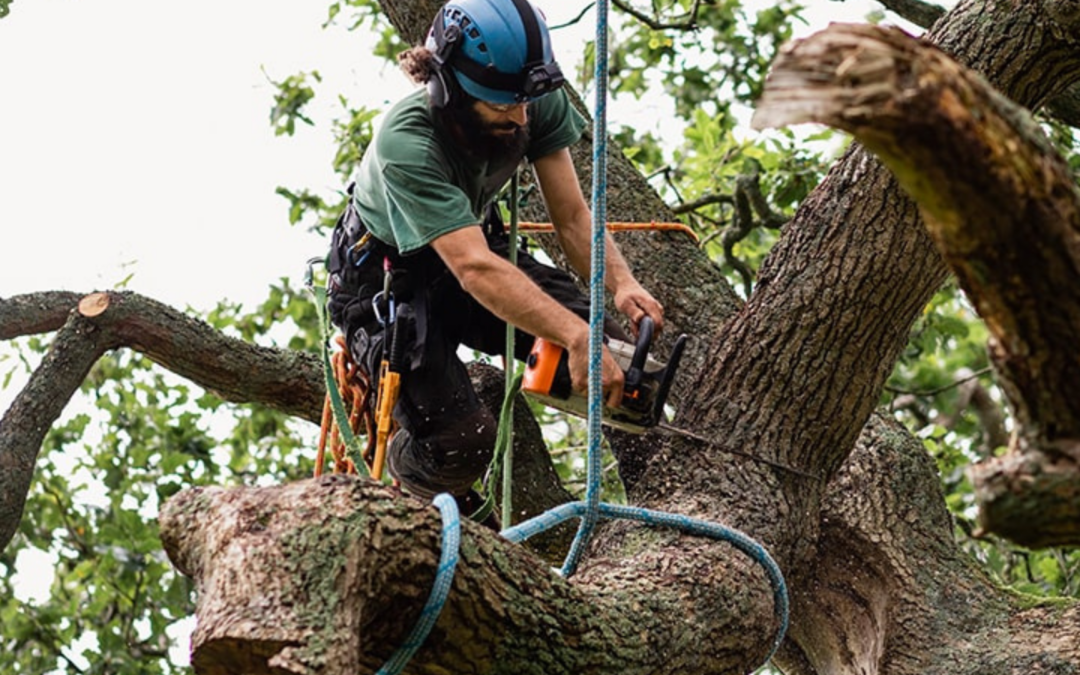
Yes, arborists can assist with landscaping design involving trees. Arborists offer knowledge on choosing the right tree types, evaluating growth patterns, and ensuring healthy placements, which improves both the beauty and the environmental equilibrium of the area.
If I Suspect Storm Damage to a Tree, What Action Should I Take?
When you suspect a tree has been harmed by a storm, you should evaluate the tree's state, examine the tree for broken parts, and call an arborist for a professional assessment and the needed repairs to guarantee safety and health.